ThinkDRY
Damp Proofing Specialists
“I wouldn’t hesitate to recommend Owen from ThinkDRY… calm and reassuring, with amazing attention to detail.” - ProvenExpert, 08 July 2025

For a professional Damp proofing Specialist call us on 07972 822827
Damp Proofing Specialists
“ThinkDRY were so efficient, tidy, and professional — would recommend 100%.”
⭐️⭐️⭐️⭐️⭐️ — Verified Review, July 2025
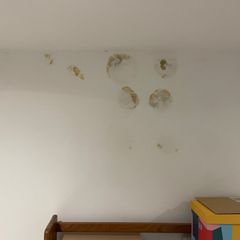
Structural Damp
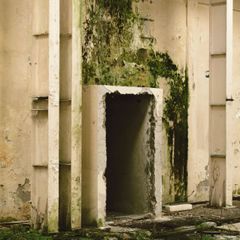
Occurs when water penetrates due to cracks or structural issues, often related to building movement or construction defects.
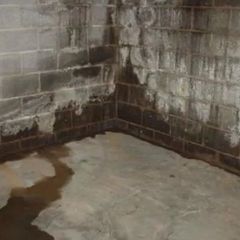
Cold Bridging Damp
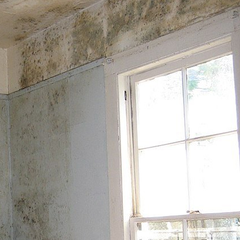
Caused when warm, moist air comes into contact with cold surfaces (cold bridges), leading to localised condensation and potential damp patches.
Call For A Free Survey
How Much Does Damp Proofing Cost?
Damp proofing for the property owners can be as little as £150 and starts at about £600 plus vat for the whole house.
ThinkDRY has a conscientious process when injecting a remedial damp proof course to make sure the job is done thoroughly:
Our local damp proofing technicians will prepare the area that requires treatment both internally and externally before the damp injection begins. This process can involve removing fittings and fixtures such as skirting boards and radiators to provide us the ability to begin the order.
If your property has rising damp then any salt contaminated and damaged plaster will need removed before injecting a damp proof course.
Our professional damp proofing technicians will drill holes (around 12mm) into the wall mortar joint to a depth of around 10 - 20mm. The damp proof course will then be injected into the boreholes. They are then left in the wall, the injected chemicals will penetrate the masonry surrounding the borehole. Finally the silane gets to work creating a water-repelling barrier, protecting your home from mold and water damage.
After the damp proof injection, our team will re-plaster internally. Our specific re-plastering materials will ensure that any left over salts in the brickwork do not affect the new plaster.
If you have questions about Damp Proofing your property please do not hesitate to reach out our experts will get you a free damp proofing quote to fit your needs. Call Now 07972 822827
Trusted by Homeowners Across the UK
Testimonials
We had a persistent damp issue in our Victorian terrace that was causing real concern. ThinkDry came highly recommended, and they didn’t disappoint. Their team was professional, thorough, and explained every step of the process. The damp proofing work was completed on time, and our home has been dry ever since. Highly recommend their expertise!
ThinkDry transformed our home! We were struggling with mould and damp in our basement, and it was affecting our health. The team at ThinkDry identified the root cause, provided a clear plan, and executed the work flawlessly. Their attention to detail and aftercare advice were fantastic. We’re so grateful for their service!
As a property manager, I’ve worked with many contractors, but ThinkDry stands out for their reliability and quality. They tackled a severe rising damp problem in one of our rental properties quickly and efficiently. The tenants are happy, and the landlord is thrilled with the results. ThinkDry is now our go-to for damp proofing solutions.
ThinkDry handled a complex damp issue in our office building with professionalism and expertise. Their survey was detailed, and their solution was tailored to our needs, ensuring minimal disruption to our business. The results have been outstanding, and we’ve had no issues since. I’d recommend ThinkDry to anyone needing top-notch damp proofing.
Why Choose ThinkDRY For Damp Proofing?
When it comes to damp proofing, ThinkDRY is the obvious choice. Our technicians are fully licensed and insured, trained for not only doing the job correctly but being respectful of you and your property offering an unmatched customer experience, some of our benefits include:
- Fully insured
- 20 year guarantee.
- Small family business
- Over 10 years experience
- Opening - On call 24 hours 7 days a week.
- Contact - Initial Quote given over phone.
- Free Survey.
- Started within 7 days.
- Most of work done externally.
Schedule a consultation with a professional damp proofing expert today and find out how ThinkDRY can help you!
Damp Proofing FAQs
If you have noticed damp patches, mould, peeling paint, damaged plaster or a musty smell in your property, identifying the cause is the first step towards solving the problem. Below, our damp proofing specialists answer some of the most common questions homeowners ask about damp, condensation, rising damp and damp proofing.
What is damp proofing?
Damp proofing is the process of identifying the source of unwanted moisture in a property and applying the correct treatment to prevent further damage. The right solution depends on the cause. Rising damp, penetrating damp, condensation and below-ground water ingress can require very different treatments, so an accurate diagnosis should come before remedial work.What are the most common types of damp in a house?
The most common moisture problems are rising damp, penetrating damp and condensation. Rising damp travels upwards from the ground through porous masonry. Penetrating damp enters through defects in the external building fabric. Condensation forms when moist indoor air meets a cold surface. A property can have more than one moisture problem at the same time.How can I tell what type of damp I have?
The location and pattern of moisture can provide useful clues. Rising damp usually affects the lower part of ground-floor walls, penetrating damp may appear as localised patches that worsen after rain, and condensation commonly affects cold surfaces, windows and corners. These signs are not a definitive diagnosis, so a professional damp survey is the safest way to identify the cause.What are the signs of rising damp?
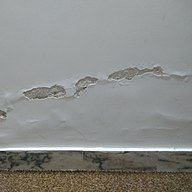
Possible signs of rising damp include damp or discoloured areas near the bottom of walls, deteriorating plaster, peeling paint or wallpaper, salt deposits and damaged skirting boards. Similar symptoms can also be caused by leaks, condensation or penetrating damp, so the source of moisture should be confirmed before a damp proof course is recommended.What causes rising damp?
Rising damp occurs when moisture from the ground moves upwards through porous masonry by capillary action. Buildings are normally protected by a damp proof course, or DPC. Problems can arise where the DPC is missing, deteriorated or bridged by high external ground levels, internal plaster, render or other building alterations.What is a damp proof course?
A damp proof course, commonly called a DPC, is a moisture-resistant barrier designed to stop ground moisture travelling upwards through a wall. It may be a physical membrane installed during construction or a remedial system installed later. The appropriate solution depends on the wall construction, condition of the property and the confirmed cause of the damp.Can you inject a new damp proof course into an existing wall?
Yes. Where rising damp has been correctly diagnosed and the wall is suitable, a remedial chemical damp proof course can be installed into existing masonry. Small holes are drilled into the relevant mortar course and a specialist damp-proofing product is introduced to form a water-repellent barrier. The wall should be assessed first to confirm that this is the correct treatment.Does damp plaster need to be removed after treating rising damp?
Sometimes. Plaster affected by prolonged moisture can become damaged or contaminated with hygroscopic salts. Those salts may continue attracting moisture even after the source of rising damp has been treated. Where necessary, affected plaster is removed and replaced with a suitable replastering specification as part of the remedial work.What causes penetrating damp?
Penetrating damp occurs when water passes through the external fabric of a building. Common causes include defective pointing, cracked render, damaged brickwork, leaking gutters or downpipes, roof defects, failed seals around windows and doors, and other openings that allow rainwater to enter. The repair should address the actual entry point rather than only the internal stain.Why does my wall get damp when it rains?
A damp patch that appears or becomes worse after rainfall can indicate penetrating damp. Water may be entering through damaged masonry, failed pointing, roofing defects, gutters, downpipes or openings around windows and doors. The visible internal patch is not always directly behind the entry point because water can travel through building materials before becoming noticeable.What causes condensation in a house?
Condensation forms when moisture in the air meets a surface cold enough for the water vapour to turn into liquid. Cooking, showering, drying clothes and normal occupancy all add moisture to indoor air. Problems are more likely where ventilation is poor, humidity is high, heating is inconsistent or external walls and windows remain particularly cold.How can I reduce condensation and mould?
Reducing condensation usually involves better moisture control, ventilation and consistent heating. Use extractor fans while cooking and bathing, keep ventilation openings clear, avoid drying large amounts of washing indoors where possible and allow air to circulate around furniture. Persistent condensation or mould should be investigated if it continues after practical ventilation and humidity improvements.Why do I have black mould on my walls?
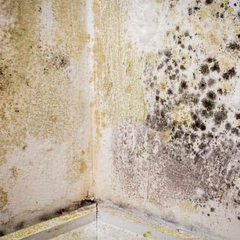
Black mould often develops where surfaces remain damp for extended periods. Condensation is a common cause, especially on cold external walls, around windows, in corners and behind furniture with poor airflow. However, mould can also be associated with leaks or penetrating moisture. Treating the visible mould alone will not prevent recurrence if the underlying moisture source remains.Is mould always caused by condensation?
No. Condensation is a frequent cause of household mould, but mould can grow wherever persistent moisture is present. Plumbing leaks, penetrating damp, roof defects and other water ingress can also create suitable conditions. The pattern, location and timing of the moisture should be assessed before deciding on the appropriate remedy.Why does my bedroom have condensation in the morning?
People release moisture into the air while sleeping. In a closed bedroom, humidity can rise overnight, and when that moisture-laden air reaches cold windows or external walls it can form condensation. Ventilation, background heating and controlling indoor humidity can reduce the amount of moisture that collects on surfaces in the morning.Can damp cause plaster to crumble?
Yes. Persistent moisture can weaken plaster and decorative finishes, leading to staining, bubbling paint, peeling wallpaper, loose plaster or crumbling surfaces. Where rising damp is involved, salts carried through the masonry can also affect the plaster. The moisture source should be treated before damaged finishes are repaired or redecorated.Why does my house smell damp or musty?
A persistent musty smell often indicates excessive moisture, poor ventilation or hidden mould. Possible causes include condensation, leaks, penetrating damp and moisture trapped behind furniture, floor coverings or wall finishes. Even if no obvious damp patch is visible, a recurring musty odour is worth investigating to identify the underlying source.Can you just paint over a damp wall?
Painting over active damp is unlikely to solve the problem. New paint may temporarily cover staining, but moisture can cause the finish to blister, peel or discolour again. The cause of the damp should be identified and treated first, after which the wall should be allowed to dry and any damaged plaster repaired before final decoration.Will a dehumidifier cure damp?
A dehumidifier can reduce moisture in the air and may help manage high indoor humidity, but it does not repair structural causes of damp. It will not replace a failed damp proof course, stop rain entering through defective masonry or repair a leak. It is best viewed as a moisture-management tool rather than a universal damp treatment.Can damp come through a basement or cellar wall?
Yes. Basement and cellar walls are below external ground level and are therefore exposed to moisture in the surrounding ground. The correct solution depends on the construction, condition and intended use of the space. A specialist assessment can determine whether a waterproofing or tanking system is appropriate.What is basement tanking?
Basement tanking is a form of waterproofing designed to resist moisture entering a below-ground space. It typically involves applying a waterproof barrier to walls and, where required, floors. Because below-ground structures face different moisture pressures from normal above-ground walls, the system should be specified to suit the individual property.Is damp proofing the same as waterproofing?
No. Damp proofing generally controls unwanted moisture moving through parts of a building, while waterproofing is intended to resist more significant water ingress and is commonly associated with below-ground structures such as basements and cellars. The correct specification depends on the source, severity and location of the moisture problem.Does every damp wall need a new damp proof course?
No. A new damp proof course is only relevant where rising damp has been properly diagnosed and a DPC issue is contributing to the problem. Damp walls can also be caused by condensation, penetrating rainwater, plumbing leaks, roof defects or other sources. Installing a DPC without identifying the cause may leave the real problem untreated.Can older properties suffer from damp?
Yes. Older homes can experience rising damp, penetrating damp, condensation and other moisture problems. Traditional solid-wall buildings may behave differently from modern cavity-wall construction, so diagnosis and repairs should take account of the age, materials and construction of the property rather than relying only on the appearance of the damp.Can new-build homes get damp?
Yes. Newer properties can experience condensation, plumbing leaks, construction moisture and defects that allow rainwater to enter. Damp is not limited to older houses. The important step is identifying whether the moisture is coming from the ground, outside the building, internal humidity or another source before specifying treatment.Should I buy a house with damp?
Finding damp does not automatically mean a property should be ruled out, but the cause, extent and likely remedial work should be understood before you proceed. A specialist damp survey can help identify the moisture source and recommended treatment, which can then be considered alongside the main building survey and your own purchasing decisions.Do I need a damp survey before buying a property?
A specialist damp survey can be useful where a homebuyer report, mortgage valuation or viewing has identified damp, mould, high moisture readings or suspicious staining. The survey can help distinguish between rising damp, penetrating damp, condensation and other sources and provide clearer information about any remedial work that may be required.What happens during a professional damp survey?
A damp survey normally involves discussing the symptoms, inspecting the affected areas and looking for evidence of the moisture source. The surveyor may assess moisture patterns, internal finishes, external ground levels, ventilation, gutters, masonry and other visible defects. The aim is to establish why moisture is present before recommending treatment.How much does damp proofing cost?
Damp proofing costs vary because the work depends on the cause, size of the affected area, construction of the property, access requirements and whether damaged plaster or finishes need replacing. A localised repair may cost far less than extensive rising damp treatment or basement waterproofing. A survey is the best basis for an accurate quotation.How long does damp proofing take?
The timescale depends on the type and extent of the problem. A small localised treatment may be completed relatively quickly, while larger rising damp projects, replastering or basement waterproofing can take longer. After inspection, the contractor should be able to explain the expected programme and any drying time required afterwards.How long does a wall take to dry after damp proofing?
Drying time varies according to wall thickness, construction, the amount of moisture present, ventilation, heating and weather conditions. Damp-proofing work stops or reduces the source of moisture, but water already held within the masonry still needs time to evaporate. Thick or heavily saturated walls can take considerably longer to dry.When can I decorate after damp proofing?
Decoration should wait until the treated area is sufficiently dry and any new plaster has cured. Decorating too early can trap moisture or cause paint and wallpaper to fail. Because drying rates differ between properties, follow the specific aftercare guidance provided for the treatment rather than relying on a fixed number of days.How can I prevent damp from returning?
Prevention depends on the original cause. Keep gutters and downpipes clear, maintain roofing and external masonry, repair leaks promptly, manage indoor humidity and ensure rooms are adequately ventilated. Where specialist damp proofing or waterproofing has been installed, follow the contractor's maintenance and aftercare advice to protect the treated area.What should I do if damp keeps coming back?
Recurring damp usually means the original moisture source has not been fully resolved, another source is present or the area has not yet dried sufficiently. Note when the damp appears, whether it changes after rain or cold weather, and where it is located. A fresh inspection can then focus on the pattern and likely cause rather than repeatedly treating the surface.Can leaking gutters or downpipes cause damp inside?
Yes. Leaking, blocked or poorly connected gutters and downpipes can repeatedly saturate external walls and lead to penetrating damp inside. Water can also track along masonry before appearing internally, so the visible patch may not align exactly with the external defect. Rainwater goods should be checked when damp becomes worse during wet weather.Can high ground levels cause damp problems?
Yes. External soil, paving or paths that sit too high against a wall can bridge an existing damp proof course and allow moisture to bypass it. High internal floor levels or render that crosses the DPC can cause similar issues. Correcting the bridge may be an important part of treating moisture near the base of a wall.Can poor ventilation cause damp and mould?
Poor ventilation can contribute significantly to condensation and mould because moisture produced indoors has fewer opportunities to escape. Bathrooms, kitchens, bedrooms and rooms with limited airflow are particularly susceptible. Improving extraction and background ventilation can help, but persistent damp should still be checked in case another moisture source is also present.How do I know which damp treatment my property needs?
The correct treatment should be based on the source of the moisture, not on the appearance of the damp patch alone. Rising damp may require DPC-related work and replastering, penetrating damp requires the external defect to be repaired, condensation needs moisture and ventilation management, and below-ground water ingress may require a dedicated waterproofing system.