Understanding Damp Proof Membrane: Essential Guide for Homeowners

WRITTEN BY THINKDRY DAMP PROOFING SPECIALIST

24 March 2025

A damp proof membrane (DPM) is an essential component in maintaining the integrity of your home. It acts as a barrier against moisture, preventing water ingress and damp problems that could lead to significant structural damage and health issues. This guide aims to provide homeowners with a comprehensive understanding of damp proof membranes, including their function, installation process, and maintenance. Understanding these aspects will empower you to make informed decisions regarding damp proofing solutions for your property.


What is a Damp Proof Membrane and Why Do You Need It?

Understanding the Function of a Damp Proof Course (DPC)

A damp proof course (DPC) is a crucial element in the construction of a building that helps in preventing rising damp. It is typically installed at ground level, acting as a barrier between the brickwork and the damp soil beneath. The DPC works by utilising various materials, such as polyethylene or other waterproof membranes, to inhibit moisture from rising through capillary action. This barrier is essential in keeping the internal structure dry, protecting both the building materials and the occupants from the adverse effects of dampness.


How Do Damp Proof Membranes Prevent Dampness?

Damp proof membranes are designed to prevent dampness by providing a reliable barrier against moisture. They do this by blocking water vapor from penetrating through the walls and floors. When correctly installed, a damp proof membrane may be placed beneath concrete floors or within walls to ensure that the dry side of the membrane faces the interior of the property. This positioning stops moisture from reaching the plaster and other interior finishes, effectively preventing issues such as mould growth, damp patches, and deteriorating brickwork.


Common Types of Damp Proofing Solutions

There are various damp proofing solutions available, each tailored to specific situations. Physical damp proofing involves the installation of a physical barrier, such as a damp proof membrane or a damp proof course that physically blocks moisture. Liquid damp proofing, on the other hand, involves applying a liquid solution to surfaces that creates a waterproof barrier. Homeowners can choose from reliable damp proofing solutions based on the type of damp they are experiencing, whether it is rising damp, penetrating damp, or condensation-related issues.


What is the Installation Process for a Damp Proof Membrane?

Steps to Install a Damp Proof Membrane in Your Home

Installing a damp proof membrane requires careful planning and execution to ensure its effectiveness. The first step is to prepare the area by removing any existing flooring and ensuring the substrate is clean and dry. Next, the damp proof membrane should be laid out, with edges overlapping and ensuring continuous coverage along the brickwork. It is crucial to install the membrane at least 150 mm above ground level to effectively block rising damp. After laying the membrane, it should be secured in place, and any joints sealed properly to prevent water ingress.


How to Ensure the DPM is Properly Placed

Proper placement of the damp proof membrane is vital for its effectiveness. To ensure the DPM is correctly installed, it is important to check that it is continuous with the damp proof course and that there are no gaps or tears. The membrane should also be positioned to direct any moisture away from the walls, ideally with an air gap to allow for ventilation. Additionally, it is advisable to consult with a ThinkDry damp proofing professional who can assess the situation and provide guidance on the best practices for installation.


Common Mistakes to Avoid During Membrane Installation

When installing a damp proof membrane, several common mistakes can undermine its effectiveness. One of the most significant errors is failing to overlap the edges of the membrane, which can create pathways for moisture to enter. Additionally, neglecting to seal joints effectively or placing the membrane below ground level can result in water ingress. It is also essential not to install the membrane over damp concrete or soil, as this can lead to trapped moisture and subsequent damp problems. Being aware of these pitfalls can help ensure a successful membrane installation.


How to Identify Damp Problems in Your Home?

Signs of Rising Damp and Penetrating Damp

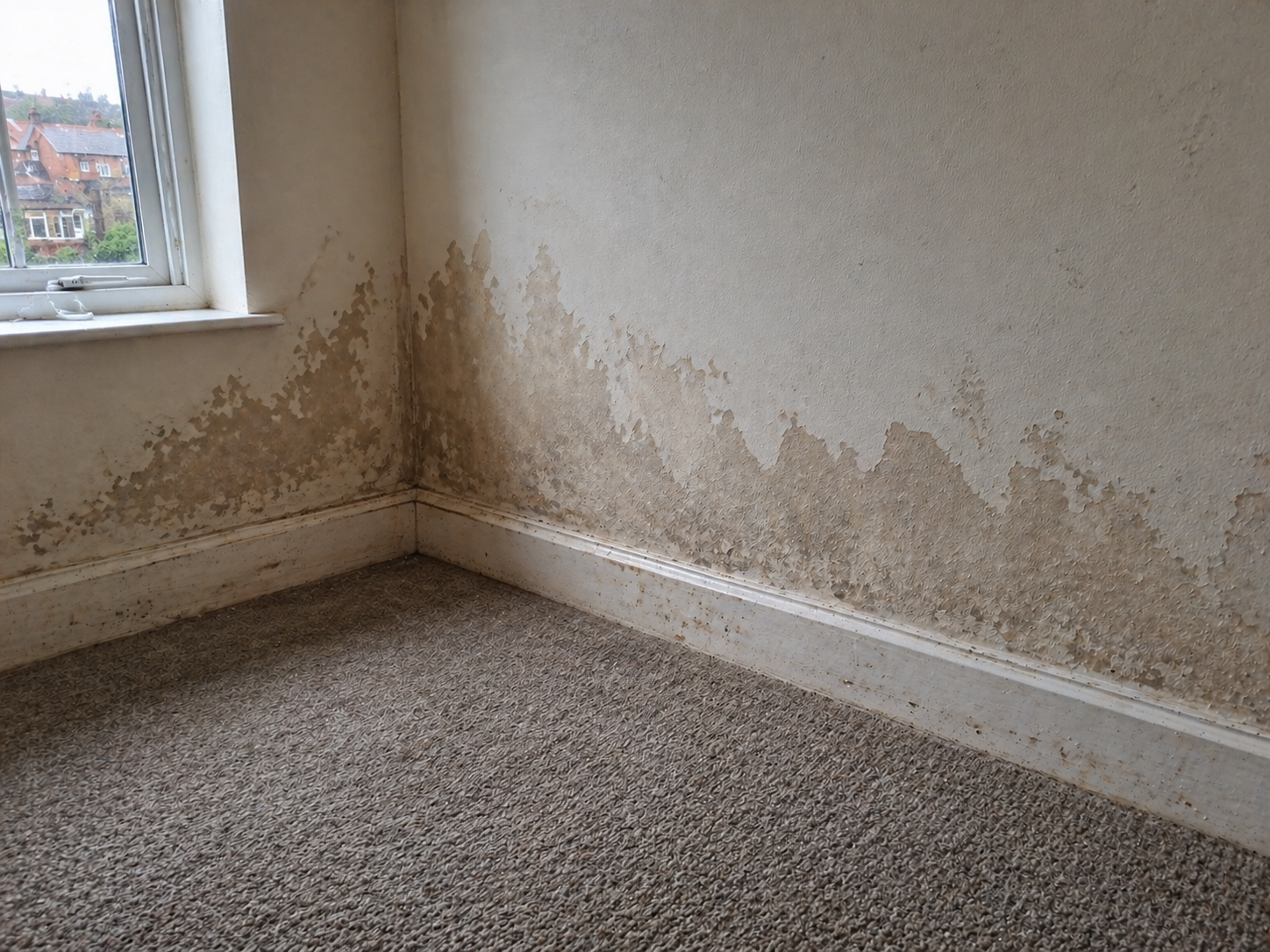
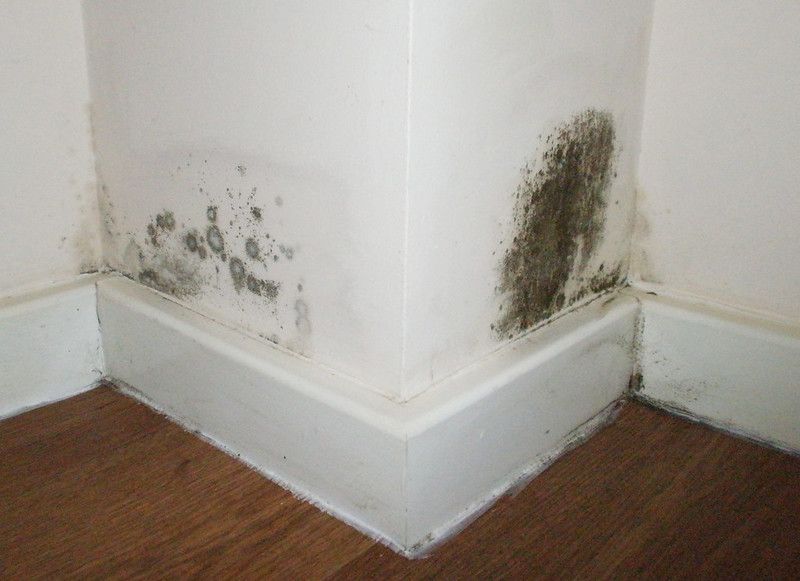
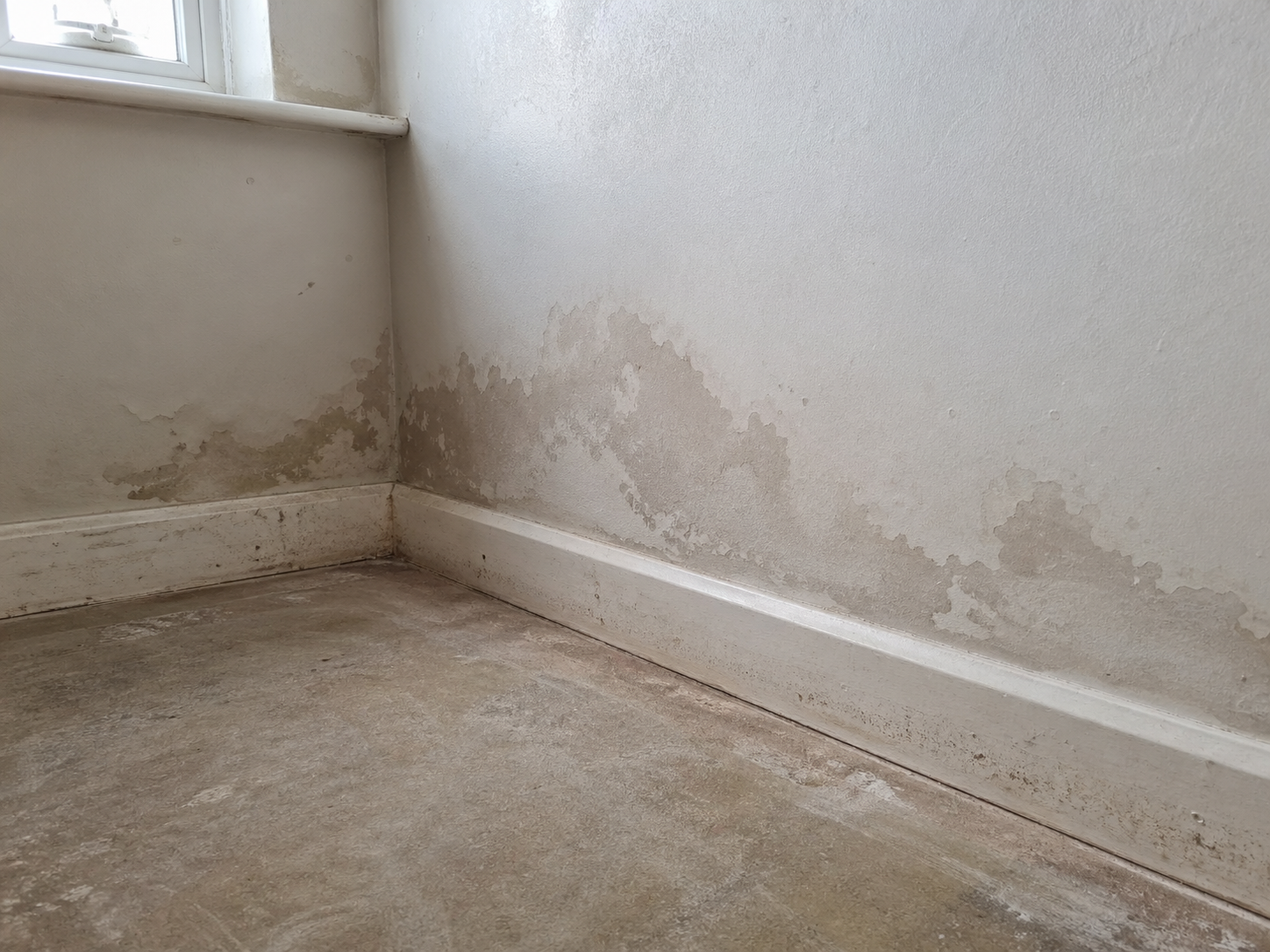
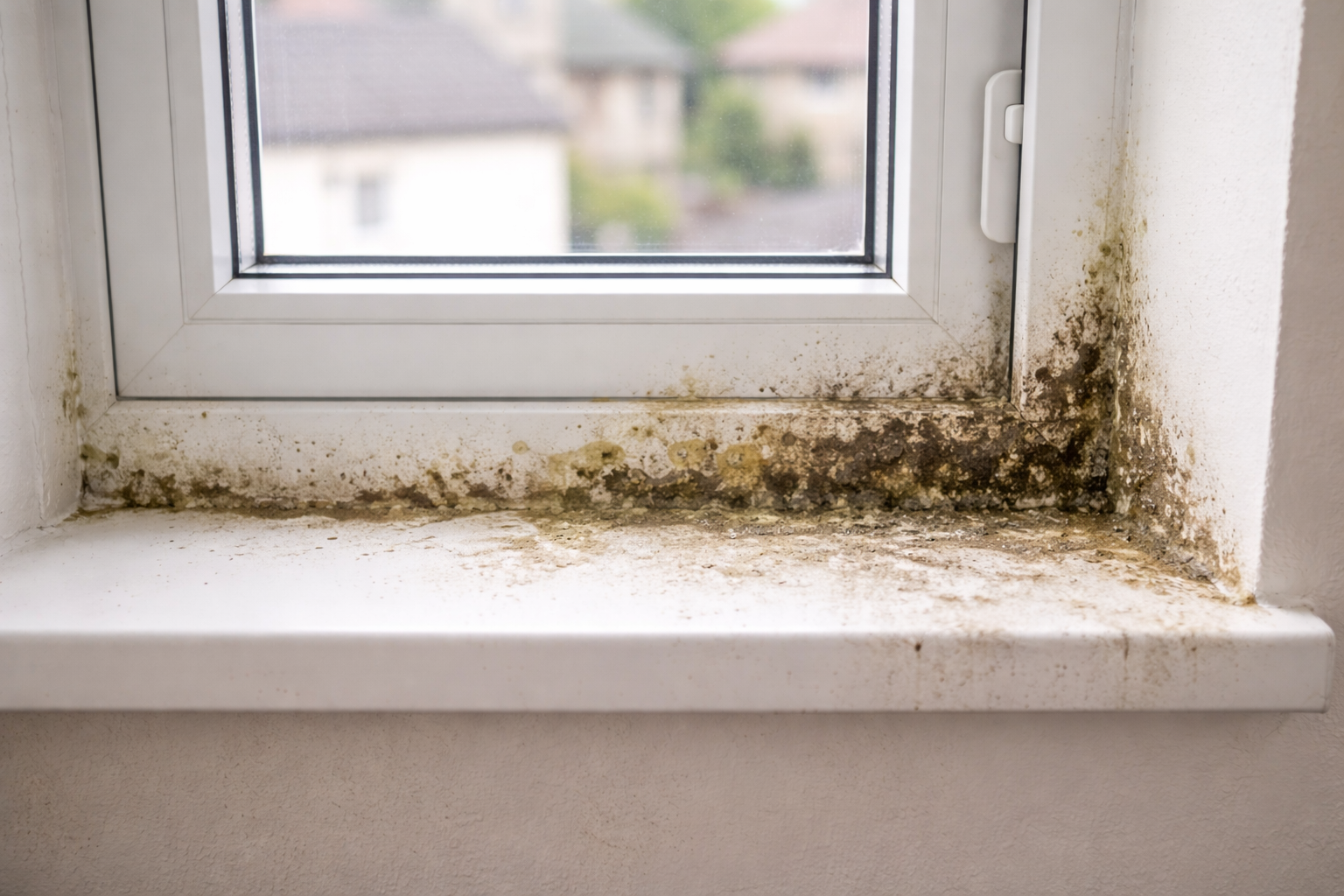
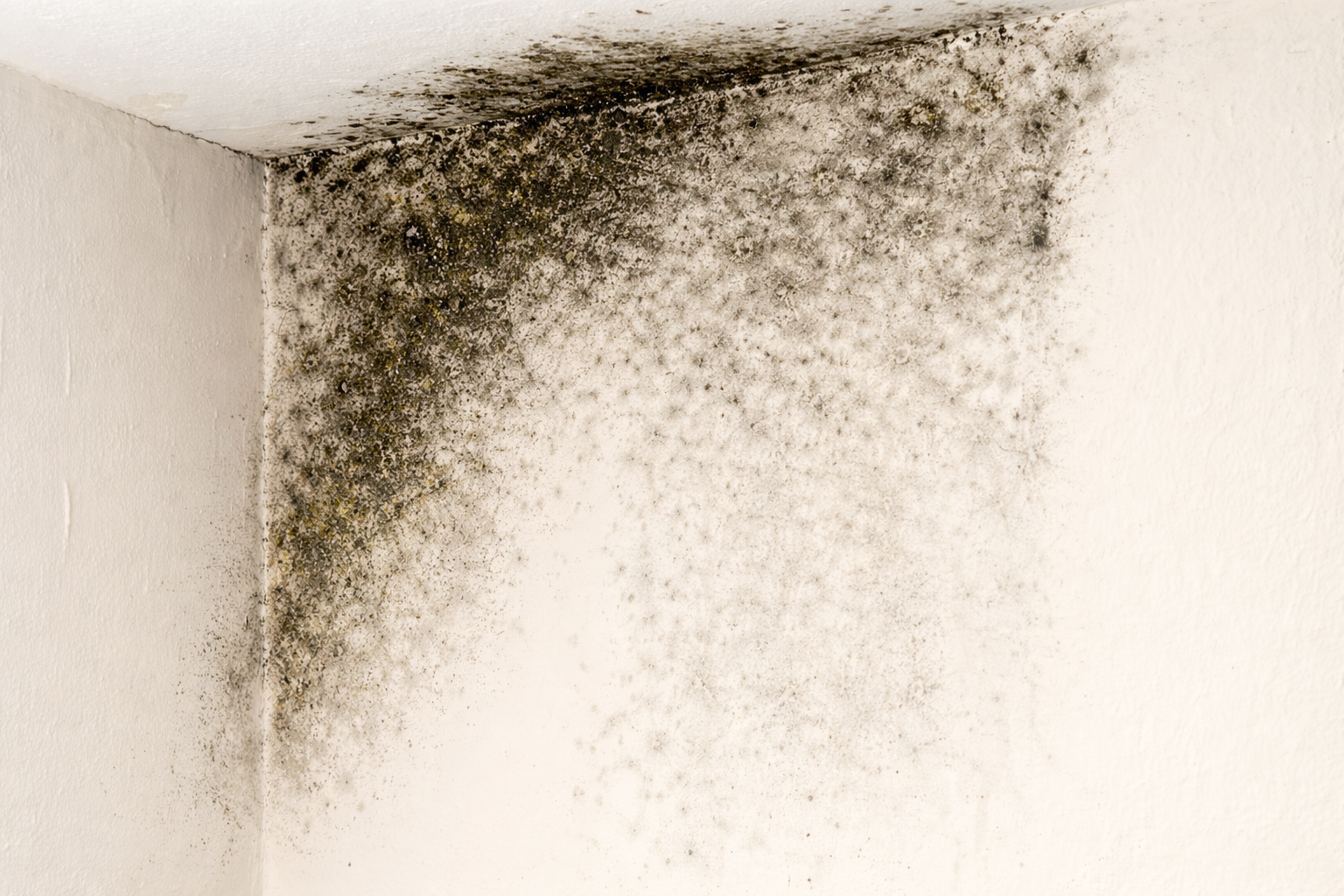
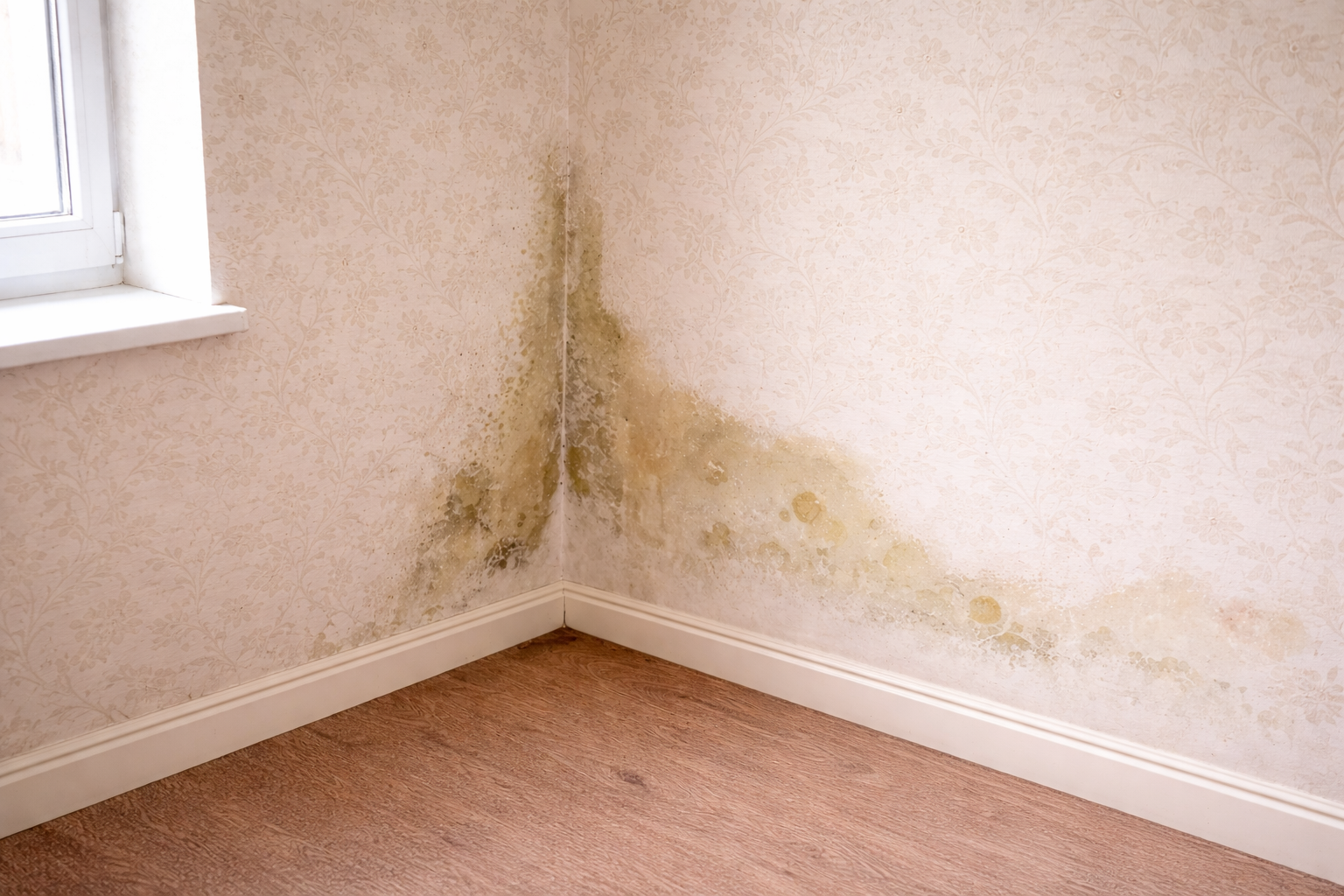
Identifying damp problems early can prevent extensive damage and costly repairs. Signs of rising damp typically include damp walls, peeling paint, and a musty smell near the base of the walls. Conversely, penetrating damp is often characterised by damp patches that appear on walls, especially after heavy rainfall. Homeowners should be vigilant and look for other indicators, such as mould growth or the presence of condensation, to determine if damp proofing measures are necessary.


How to Detect Damp Walls and Damp Patches

Detecting damp walls and damp patches can often be done through visual inspection. Homeowners should check for discolored areas on walls, soft plaster, or indications of mould. Using a moisture meter can also help measure the moisture levels in the walls, providing a more accurate assessment. If damp patches are persistent, it may indicate a more severe underlying issue, such as a failure in the damp proofing system or excessive water ingress.


Understanding the Impact of Condensation on Dampness

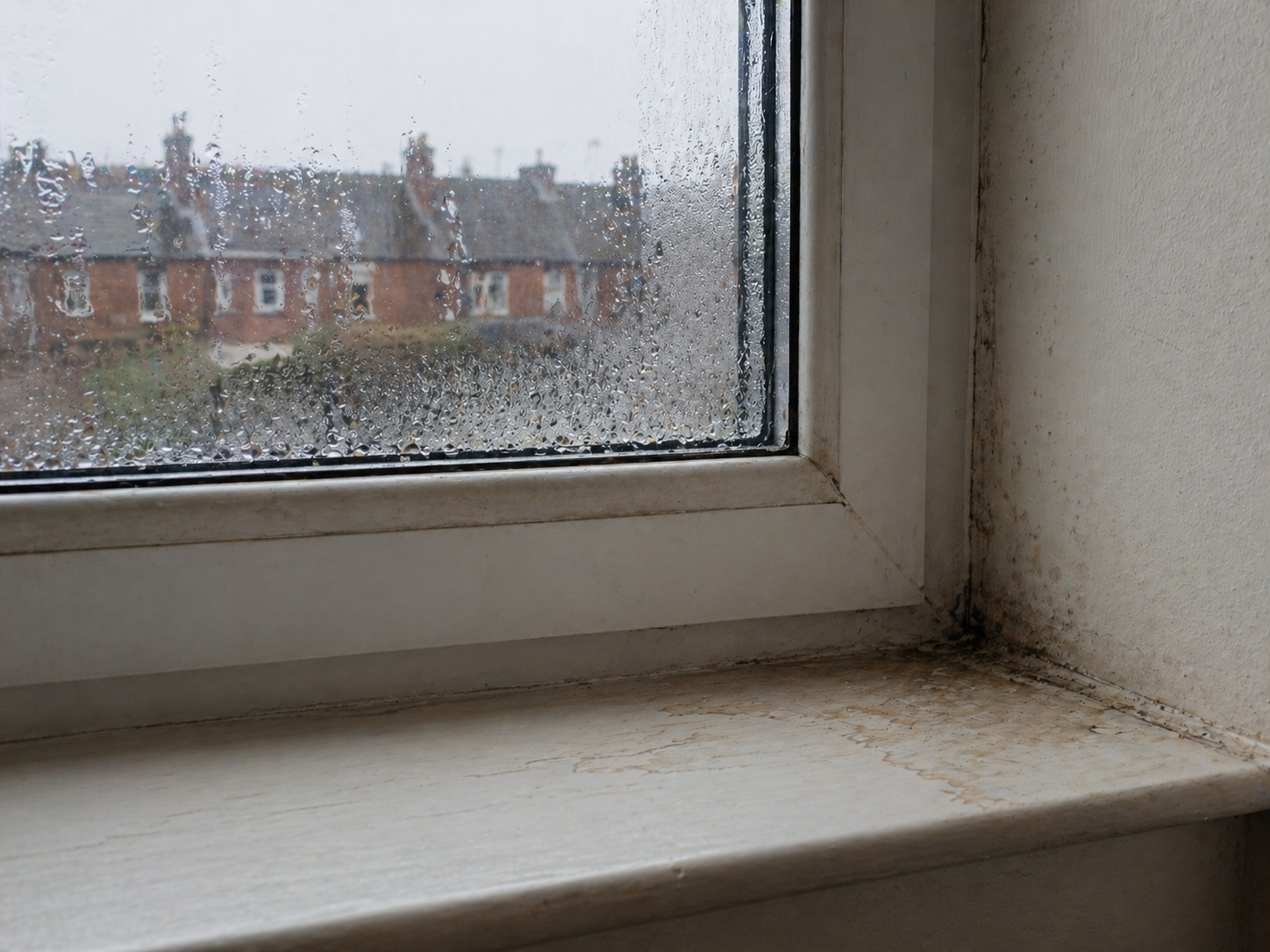
Condensation can significantly contribute to dampness within a home. It occurs when warm, moist air comes into contact with cooler surfaces, leading to water droplets forming. This can create ideal conditions for mould growth and deterioration of building materials. Homeowners should understand the relationship between condensation and other types of damp, such as penetrating damp, and address ventilation issues to minimise moisture buildup and protect their home from damp-related problems.


What Are the Different Types of Damp Proofing Methods?

Physical Damp Proofing vs. Liquid Damp Proofing

When considering damp proofing methods, it is essential to understand the difference between physical damp proofing and liquid damp proofing. Physical damp proofing involves installing a solid barrier, such as a damp proof membrane or a damp proof course, to prevent water ingress. In contrast, liquid damp proofing involves applying a liquid solution that penetrates the substrate and dries to form a waterproof barrier. Each method has its advantages, and the choice often depends on the specific damp problem being addressed.


How to Choose the Right Damp Proofing Method for Your Property

Selecting the right damp proofing method for your property requires careful consideration of various factors, including the type of damp present, the building materials used, and the specific conditions of your environment. Homeowners should assess whether the dampness is due to rising damp, penetrating damp, or condensation, as this will influence the most suitable treatment. Consulting with a ThinkDry damp proofing professional can help you make an informed decision, ensuring the chosen method effectively addresses the source of the damp problem.


Advantages of Using a Plastic Membrane for Damp Proofing

Plastic membranes are increasingly popular in damp proofing applications due to their numerous advantages. They are lightweight, easy to handle, and offer excellent resistance to water ingress. A plastic membrane can provide a continuous barrier against moisture when installed correctly, making it a reliable option for damp proofing solutions. Additionally, plastic membranes are often more cost-effective than traditional materials, allowing homeowners to achieve effective damp proofing without significant financial investment.


How Can You Maintain and Inspect Your Damp Proof Membrane?

Regular Maintenance Tips for Your Damp Proofing System

Maintaining your damp proofing system is essential for its long-term effectiveness. Regular inspections should be conducted to check for any signs of damage or wear on the damp proof membrane. Homeowners should ensure that any landscaping or external features do not obstruct the damp proof course and that water is directed away from the foundation. It is also important to keep gutters and downspouts clean to prevent water accumulation around the property.


How to Inspect for Damage or Wear Over Time

Inspecting for damage or wear on your damp proof membrane involves checking for any visible signs of deterioration, such as cracks, holes, or areas of lifting. Homeowners should also monitor for signs of damp problems, such as mould growth or damp patches, which may indicate a breach in the membrane. If you suspect any issues, it is advisable to contact a ThinkDry damp proofing professional who can perform a thorough inspection and recommend necessary repairs.


What to Do If You Discover a Problem with Your DPM

If you discover a problem with your damp proof membrane, addressing it promptly is crucial to prevent further damage. First, identify the source of the damp problem and assess the extent of the damage. If the membrane is compromised, it may need to be repaired or replaced entirely.

Engaging a ThinkDry damp proofing professional can provide the expertise needed to ensure the issue is resolved effectively and that your home remains protected against
moisture ingress.

Need some advice?

Talk to one of our experts:


07972 822827

or Email Us

Quick Form

Fill in the form below and we will be in touch soon

Quick Form
Corner of a room with beige walls, white baseboard and brown carpet.
24 November 2025
Damp proofing Sheffield: expert guide to rising damp, penetrating damp & condensation in 2025. CSSW-qualified, 20-year insured guarantees. Free survey – ThinkDry Damp Proofing Specialists.
White wall with discoloration, possibly water damage or mold, in a corner.
11 November 2025
Discover what causes rising damp in Sheffield homes – failed DPCs, bridging, high water tables, and poor ventilation. ThinkDry’s damp proofing Sheffield experts explain signs, science, and permanent fixes. Free survey.
Empty room with wood floors, windows, radiators, and a dark brown door; grey and blue walls.
7 November 2025
Discover 2025 damp proofing trends in Sheffield: free surveys, eco-friendly treatments, and basement conversions. ThinkDRY, your local family-run specialists, explain why acting now prevents costly winter damage. Book a free survey today.
by Shaun Sadlier 30 October 2025
Welcome to your comprehensive guide to damp proofing in Sheffield with ThinkDry, Damp Proofing Specialists. If you're facing issues like damp in your basement or suspect rising damp or penetrating damp is affecting your property, you've come to the right place. At ThinkDry, we provide expert insights and practical solutions to tackle damp, protect your property, and ensure a healthy living environment in Sheffield and surrounding areas. Visit us at https://www.thinkdry.co.uk/damp-proofing/sheffield . Understanding Damp Issues in Sheffield Damp is a common issue in Sheffield, impacting homes and businesses due to the local climate and the age of many buildings. Identifying whether you're dealing with rising damp, penetrating damp, or condensation is crucial for effective treatment. At ThinkDry, we focus on pinpointing the cause of damp to deliver tailored damp proofing solutions, preventing further damage to your property across Sheffield. Common Causes of Damp in Basements Basements are highly susceptible to damp due to their below-ground location, which makes them prone to water ingress and related damp problems. Poor or missing basement waterproofing allows moisture to seep through brickwork and concrete, while inadequate ventilation can trap humidity, leading to condensation. ThinkDry's professional damp proofing work, including installing a damp proof course (DPC), ensures a dry and healthy basement environment, crucial for preventing damp and timber issues. Signs of Damp and Mould Early detection of damp can prevent costly repairs. Look for damp patches on walls or ceilings, peeling paint, or a musty smell. Damp often leads to mould, with black mould posing health risks. Other signs include wet rot or dry rot in timber. ThinkDry helps you identify these issues early, ensuring prompt action to protect your property and health. Impact of Damp on Timber and Structural Integrity Damp can severely damage timber and your property’s structural integrity. Moisture creates ideal conditions for woodworm, wet rot, and dry rot, weakening timber structures and compromising safety. ThinkDry’s prompt damp proofing services safeguard your investment and ensure the long-term stability of your Sheffield property, preventing expensive repairs. Damp Proofing Services Offered by ThinkDry At ThinkDry, we offer tailored damp proofing services in Sheffield to address the unique damp problems in the area. Our services include thorough damp surveys to identify rising damp, penetrating damp, or condensation, followed by treatments like damp proof course installation, basement waterproofing, and applying waterproof coatings to prevent moisture ingress in basements and other areas across Sheffield. Damp Proofing Techniques and Treatments ThinkDry employs a range of damp proofing techniques to combat damp effectively. We install chemical damp proof courses (DPCs) to stop rising damp, apply external waterproof coatings and sealants for penetrating damp, and use physical barriers or drainage systems for basement waterproofing. Improved ventilation reduces condensation and mould, contributing to a healthier living environment. Our treatments are customised to your property’s specific needs in Sheffield. Importance of Professional Damp Surveys ThinkDry’s professional damp surveys are essential for accurate diagnosis and effective treatment. Our qualified surveyors conduct detailed inspections, identifying the type of damp, assessing damage, and checking for wet rot, dry rot, or woodworm in timber. A ThinkDry damp survey ensures targeted, long-lasting damp proofing solutions that effectively address damp problems in Sheffield. Book yours today at https://www.thinkdry.co.uk/damp-proofing/sheffield. Accreditation and Trust in ThinkDry At ThinkDry, our accreditations and memberships in professional bodies reflect our commitment to quality. Our customer reviews and guarantees demonstrate our reliability and expertise. Choosing ThinkDry ensures you receive effective, long-lasting damp proofing solutions for your Sheffield property, including Barnsley and South Yorkshire. Conducting a Damp Survey in Sheffield What to Expect During a ThinkDry Damp Survey When you book a damp survey with ThinkDry, our qualified surveyors thoroughly inspect your property, focusing on areas prone to damp, such as basements, walls, and ceilings, ensuring effective damp treatment. Using specialised equipment, we identify whether the issue is rising damp, penetrating damp, or condensation, providing a detailed report with tailored treatment recommendations. How to Book a Survey with ThinkDry Booking a damp survey with ThinkDry is straightforward, ensuring you receive the best damp treatment for your property. Visit https://www.thinkdry.co.uk/damp-proofing/sheffield or call us to schedule an appointment. Share details about your property and any visible damp signs, and we’ll arrange a convenient time to conduct the survey, delivering expert damp proofing solutions for your Sheffield home. Understanding Customer Reviews and Feedback ThinkDry’s customer reviews highlight our professionalism, thorough surveys, and effective treatments. Positive feedback underscores our commitment to customer satisfaction and the effectiveness of our damp treatment services in Sheffield . We encourage you to read our testimonials to make an informed choice about damp proofing with ThinkDry in Sheffield. Addressing Specific Types of Damp Rising Damp: Causes and Solutions Rising damp occurs when groundwater rises through brickwork via capillary action, common in older Sheffield properties without an effective DPC. Signs include salt deposits and peeling plaster. ThinkDry installs chemical DPCs and improves ground drainage to prevent moisture ingress in your South Yorkshire property. Condensation and Its Effects on Homes Condensation, caused by warm, moist air meeting cold surfaces, is a prevalent issue in Sheffield’s poorly ventilated homes. It leads to mould and damage to walls, ceilings, and furniture. ThinkDry recommends regular window opening, extractor fans, and dehumidifiers to prevent condensation and protect your home. Identifying and Treating Dry Rot and Wet Rot Dry rot and wet rot, caused by fungi in damp conditions, can devastate timber. Wet rot requires high moisture levels, while dry rot can spread through dry timber if moisture is present. ThinkDry treats these by addressing moisture sources, replacing damaged timber, and sterilising affected areas to prevent recurrence. Long-Term Solutions and Maintenance Damp Proofing: What to Expect After ThinkDry’s damp proofing, expect improved air quality and a healthier home. We eliminate damp sources, dry out patches, and treat or replace affected timber. Ongoing ventilation and prompt action on new damp signs are key to maintaining a dry property and preventing damp in Sheffield. Ventilation Strategies to Prevent Damp Effective ventilation prevents condensation and damp. ThinkDry advises opening windows regularly, using extractor fans in bathrooms and kitchens, and installing dehumidifiers in basements. Proper airflow reduces damp risks and improves air quality in your Sheffield home, helping to mitigate condensation and mould. Year Guarantee: Ensuring Quality and Peace of Mind ThinkDry’s year guarantee ensures the quality of our work. If damp reappears within the guarantee period, we’ll reassess and perform remedial work at no extra cost. This reflects our confidence in delivering lasting solutions and provides peace of mind for your Sheffield property. Specialist Services in Barnsley and Surrounding Areas Local Experts in Damp Proofing ThinkDry’s local expertise in Sheffield and Barnsley ensures tailored solutions for the region’s climate and building styles. Our knowledge of common damp issues, like rising and penetrating damp, guarantees effective treatments and prompt support for your South Yorkshire property. Commercial Properties: Tailored Damp Solutions Commercial properties require specialised damp proofing due to their size and complexity. ThinkDry offers large-scale basement waterproofing, comprehensive surveys, and advanced ventilation systems to protect offices, warehouses, and retail spaces in Sheffield, ensuring a safe environment for employees and customers. Why Choose ThinkDry Sheffield Damp Specialists? ThinkDry is your trusted choice for damp proofing in Sheffield. Our local expertise, comprehensive services, from surveys to treatments, and commitment to quality make us the go-to solution for damp issues. Trust ThinkDry for reliable, effective, and long-lasting damp proofing to keep your Sheffield property damp-free. Visit https://www.thinkdry.co.uk/damp-proofing/sheffield to learn more.
A man is working on a wall in a room.
by Shaun Sadlier 25 March 2025
Discover what a damp proof course is, the different types of damp, and the importance of preventing various types of damp in your property.
A white tiled wall with a corner that is covered in mold.
24 March 2025
Discover effective strategies to remove black mould from your bathroom and prevent its return. Learn about health risks and tips to keep your space mould-free!
A hose is attached to a wooden frame in a room
24 March 2025
Explore the battle against condensation and black mould with PIV units and dehumidifiers. Learn from ThinkDry on how to enhance air quality and tackle moisture issues effectively.
Dont Let Damp Dampen Your Style: 10 Tips for a Dry and Dazzling Home
by Shaun Sadlier 25 January 2024
Uncover the secrets to keeping your home dry and fabulous with these 10 brilliant tips to conquer dampness!